Urinary Infections: Causes and Prevention
Urinary tract infections are among the most common bacterial infections seen in clinical practice, and yet they are frequently either undertreated, overtreated, or misunderstood. For many women, a UTI is something that has happened before and will likely happen again. For men, it tends to come as more of a surprise because it is considerably less common in younger males. For older adults of both sexes, UTIs can present atypically, without the classic burning or urgency, which is precisely what makes them harder to catch in time.
Getting familiar with the causes, the symptoms, and what actually helps in prevention is genuinely useful information, regardless of how frequently the infections occur.
What a urinary tract infection is
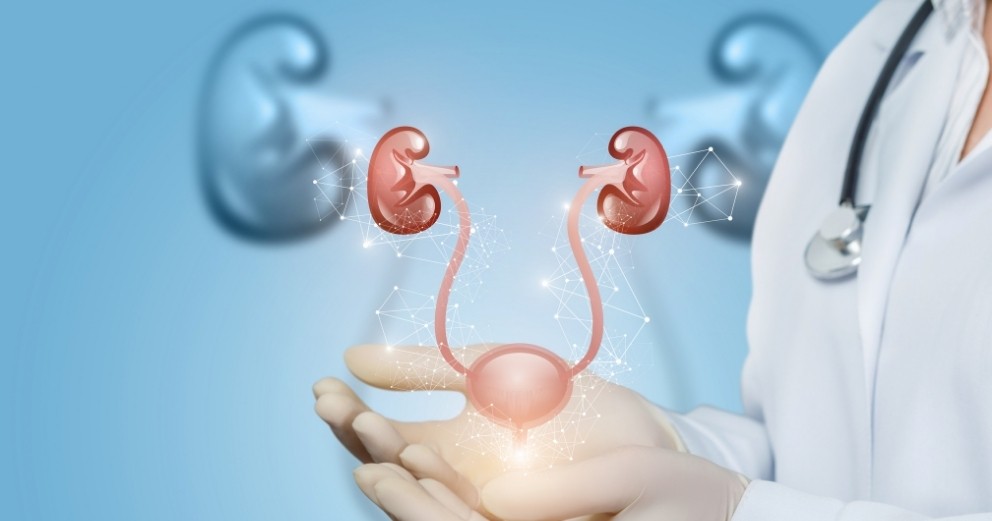
A urinary tract infection occurs when bacteria, and occasionally other microorganisms, enter the urinary tract and multiply. The urinary tract includes the kidneys, ureters, bladder, and urethra. Most infections affect the bladder and urethra, a condition called cystitis. When the infection travels upward and reaches the kidneys, it becomes a more serious condition called pyelonephritis, which requires prompt and more aggressive management.
Urinary tract infections are common conditions that can affect patients of every age and background. They are the most frequent reason for antibiotic prescriptions outside of hospital settings, which has significant implications in the context of rising antibiotic resistance.
Why women are more susceptible
Women experience UTIs far more frequently than men, and the anatomy explains most of this disparity. The female urethra is considerably shorter than the male urethra, which means bacteria have a much shorter distance to travel to reach the bladder. The proximity of the urethral opening to the vaginal and anal openings also increases the likelihood of bacterial transfer.
Urinary tract infection causes in women often include sexual activity, which can introduce bacteria into the urethra. Hormonal changes during pregnancy and after menopause also affect the urinary tract's susceptibility to infection. Post-menopausal women, in whom declining oestrogen levels alter the tissue of the lower urinary tract, are particularly prone to recurrent UTI.
Urinary infection symptoms to recognise
The classic symptoms of a lower urinary tract infection include:
- A burning or stinging sensation during urination
- A frequent and urgent need to urinate, even when very little urine is passed
- Cloudy, dark, or strong-smelling urine
- Discomfort or pressure in the lower abdomen or pelvis
- Blood in the urine, which can appear pink, red, or brown
When the infection involves the kidneys, symptoms become more significant. Fever, chills, nausea, vomiting, and pain in the back or side, particularly around the flank area, indicate that the infection has moved beyond the bladder and requires urgent medical attention.
In older adults, the classic symptoms of UTI are often absent. Older patients may present with confusion, agitation, or a sudden change in mental status rather than the typical urinary symptoms, which can lead to delayed diagnosis if healthcare providers are not alert to this atypical pattern.
What increases the risk
Several factors raise a person's susceptibility to UTIs beyond the anatomical ones:
- A history of previous UTIs, which is itself the strongest predictor of future infection
- Diabetes, which alters the immune response and affects bladder emptying
- Urinary tract abnormalities, including kidney stones or an enlarged prostate in men, which obstruct normal urine flow and create conditions where bacteria can grow
- Use of urinary catheters, which provide a direct route for bacteria into the bladder
- Reduced fluid intake, which means less frequent urination and longer time for bacteria to multiply in the bladder
- Weakened immunity from any cause, including certain chronic conditions or long-term steroid use
UTI prevention strategies that actually have evidence
- Hydration is the most consistently supported strategy for UTI prevention. Drinking adequate water throughout the day flushes bacteria from the urinary tract before they have the opportunity to multiply and establish an infection.
- Urinating after sexual intercourse is a widely recommended practice, though recent guideline updates have refined which hygiene-based practices actually have evidence behind them.
- Some traditionally recommended hygiene practices, including front-to-back wiping, pre- and post coital voiding, and avoidance of certain products, do not consistently demonstrate a role in recurrent UTI prevention in current evidence. This does not mean hygiene does not matter. It means that specific practices previously thought to be protective may not carry the evidence once assumed.
- For post-menopausal women, vaginal oestrogen therapy is an evidence-based option for reducing recurrent UTIs by restoring the vaginal and urethral tissue that becomes more susceptible to infection after menopause. This is a medical decision made in consultation with a gynaecologist or urologist.
Recurrent UTI and when to seek specialist input
A UTI that is treated and resolved, then returns within weeks or months, follows a pattern that requires more than just repeated courses of the same treatment. Recurrent UTI, defined as two or more infections within six months or three or more within a year, requires investigation to identify whether an underlying structural, hormonal, or immunological factor is driving the frequency.
A urology consultation helps identify contributing factors that a standard course of treatment does not address. Urine culture, rather than a dipstick test alone, is important in recurrent infections to confirm which bacteria are present and ensure the treatment being used is actually effective against it. Antibiotic resistance is an increasing concern in UTI management, and treating with the wrong agent is both ineffective and contributes to further resistance.
Takeaways
Causes of urinary tract infection include bacterial entry through the urethra, anatomical defects, hormonal changes, weakened immunity, and poor hydration. If signs of urinary infection, such as burning while urinating, frequency, urgency, and cloudy urine are present, these should be evaluated by a doctor, not self-treated.
Prevention of UTI includes adequate hydration, addressing underlying risk factors, and evaluation by a specialist in case of recurring UTI to determine possible reasons. Recurrent UTI should be investigated beyond recurrent courses of antibiotics with urine culture and study of urological or hormonal causes that sustain the cycle.