Varicose Veins: Cosmetic or Medical Issue?
Varicose veins are one of those conditions that sit in an uncomfortable grey area in most people's minds. Visible, twisted, and often uncomfortable, they are easy to see but frequently dismissed as a cosmetic concern rather than something that warrants medical attention. That assumption does a disservice to the significant proportion of people whose varicose veins cause real symptoms and carry genuine health risks if left unaddressed.
The old way of thinking was that varicose veins were just a cosmetic problem or a sign of getting older. Most general doctors have learned that varicose veins medical condition requires a specialist. That is exactly why many insurance companies now cover some vein treatments and why primary care doctors now refer their patients to board-certified vein specialists.
What Varicose Veins Actually Are
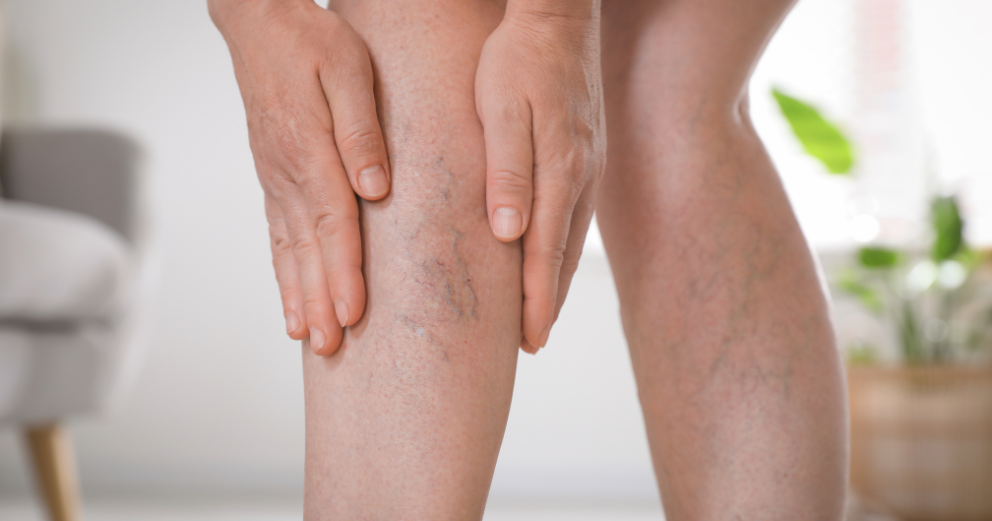
Veins carry blood back to the heart against gravity. They rely on one-way valves to prevent blood from flowing backwards. When these valves weaken or fail, blood pools in the vein, causing it to stretch, twist, and bulge. The result is the rope-like, often bluish or dark purple raised veins most commonly seen on the legs.
Varicose veins are a common health issue that develops when abnormal or damaged valves in the veins allow blood to flow in the wrong direction or pool. They usually develop on the legs, either on the inside of the leg or behind the knee.
The underlying condition driving varicose veins is called venous insufficiency, a failure of the venous system to return blood efficiently to the heart. This is a medical condition with a physiological cause, not simply a cosmetic variation.
Varicose Veins vs Spider Veins
These two are frequently confused, but they are clinically different.
Spider veins are small and thin veins that are close to the surface of the skin. They appear red, blue or purple in colour and also resemble spider webs or tree branches. Spider veins are commonly seen on the legs and face. These are only cosmetic concerns, but they can still cause some discomfort or itching in some cases.
Varicose veins are larger, raised, and twisted. They carry a higher risk of symptomatic disease and complications. Spider veins, by contrast, are generally superficial, cause minimal symptoms in most cases, and are primarily a cosmetic concern for most patients.
When Varicose Veins Become a Medical Problem
Not every person with varicose veins will experience symptoms. Some are discovered incidentally and cause no discomfort at all. For others, the condition produces symptoms that significantly affect daily life:
- Aching, heaviness, or a tired feeling in the legs, particularly after prolonged standing
- Swelling around the ankles and lower legs, which worsens throughout the day
- Itching or burning sensation over the affected veins
- Skin changes around the ankle, including darkening, thickening, or discolouration
- Restless legs, particularly at night
- Muscle cramping, especially in the evenings
Beyond these symptomatic presentations, untreated varicose veins can progress to more serious complications:
- Venous ulcers — Chronic, poorly healing wounds that typically form around the ankle, representing one of the most significant complications of chronic venous insufficiency.
- Superficial thrombophlebitis — Inflammation and clotting within the affected vein, causing localised pain, redness, and warmth.
- Bleeding — Varicose veins close to the skin surface can bleed following minor trauma, sometimes significantly.
- Deep vein thrombosis — While less common, varicose veins are associated with an elevated risk of clot formation in the deeper venous system.
In severe cases, varicose veins may rupture or develop into varicose ulcers on the skin, requiring treatment.
Varicose Veins Treatment Options
While varicose veins may start as a cosmetic concern, untreated varicose veins can lead to pain, swelling, and serious complications like ulcers or blood clots.
Treatment is decided by the doctor, depending on the severity of the symptom, the extent of venous insufficiency, and whether there are complications.
- Compression Therapy
Most patients with symptomatic varicose veins can find relief using compression stockings. The pressure from the stockings on the leg improves venous return and reduces blood pooling. They do not make the veins disappear, but they provide relief. So, they are recommended as a starting point before interventional treatment is considered.
- Sclerotherapy
Sclerotherapy is a minimally invasive procedure in which a sclerosing solution is injected directly into the affected veins. It causes them to collapse and become lighter. It is best for treating smaller veins and is performed on an outpatient basis, and does not take much time.
There is also foam sclerotherapy, which uses a foam formulation to improve contact with the vein wall. It can treat larger varicosities. Most patients require wearing compression stockings for a period following treatment.
- Endovenous Ablation
Other less invasive procedures are endovenous laser ablation and radiofrequency ablation. A thin catheter is inserted into the vein to close it by giving it heat energy. This is standard care in many countries, and international guidelines also support it. They can be used as an interventional approach for varicose veins. They are performed under local anaesthesia, carry low complication rates, and allow patients to walk immediately after the procedure.
- Newer Techniques
Cyanoacrylate closure uses a medical-grade adhesive to seal the affected vein and is notable for not requiring post-treatment compression stockings. It has shown excellent results and is particularly suited to patients who cannot wear compression garments.
When to See a Specialist
A vascular surgeon or interventional radiologist with expertise in venous disease is the appropriate specialist for symptomatic varicose veins. They use a duplex ultrasound for assessment, which maps the venous anatomy. It identifies where reflux is occurring so that the choice of treatment can be provided.
Takeaways
Varicose veins are a medical condition driven by venous valve failure, not simply a cosmetic concern. Varicose veins symptoms are leg heaviness, swelling, and skin changes, which also indicate progressive venous insufficiency. It needs a medical assessment. Varicose veins can cause complications if they are left untreated. Varicose veins treatment involves minimally invasive options as the standard of medical care. Understanding the difference between varicose veins vs spider veins is also important, as varicose veins can have medical implications.