What Is Brachytherapy? A Radiation Oncologist in Thane Explains
If you or a loved one has recently been advised radiotherapy, you may have come across the term "brachytherapy" and wondered how it's different from the radiation treatments you've heard about before. Dr Sagar Gayakwad, radiation oncologist in Thane at KIMS Hospitals, breaks down what this treatment involves, how it works, and why it's become such a valuable option for many cancer patients.
What is brachytherapy?
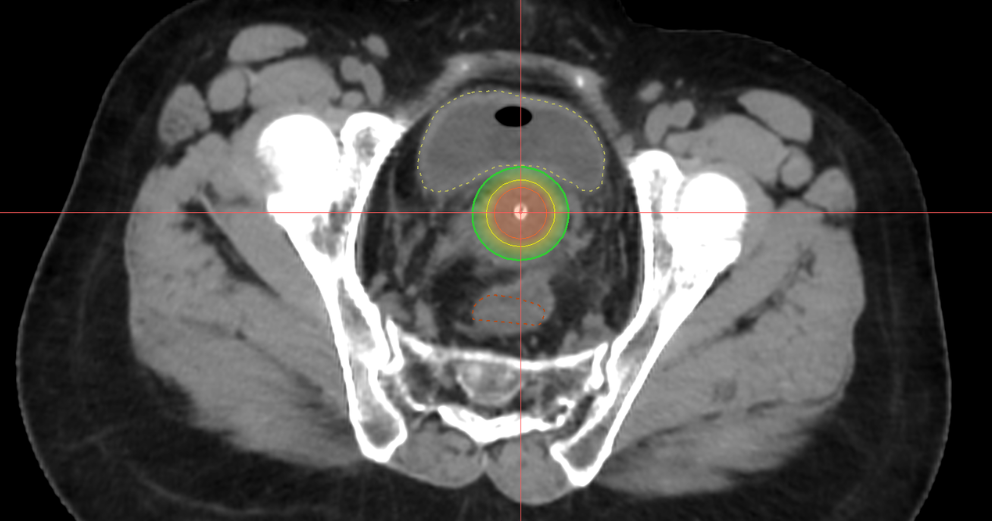
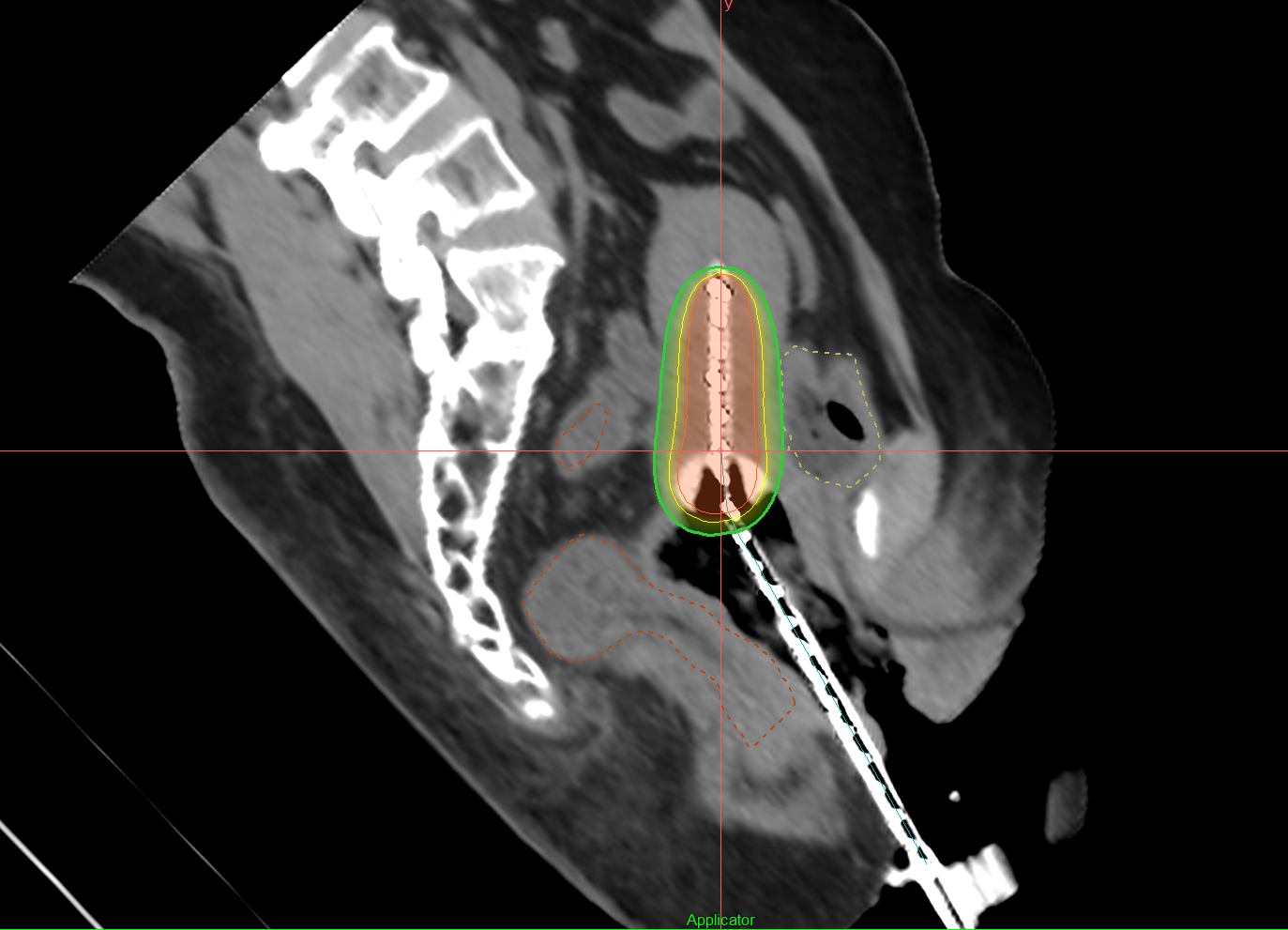
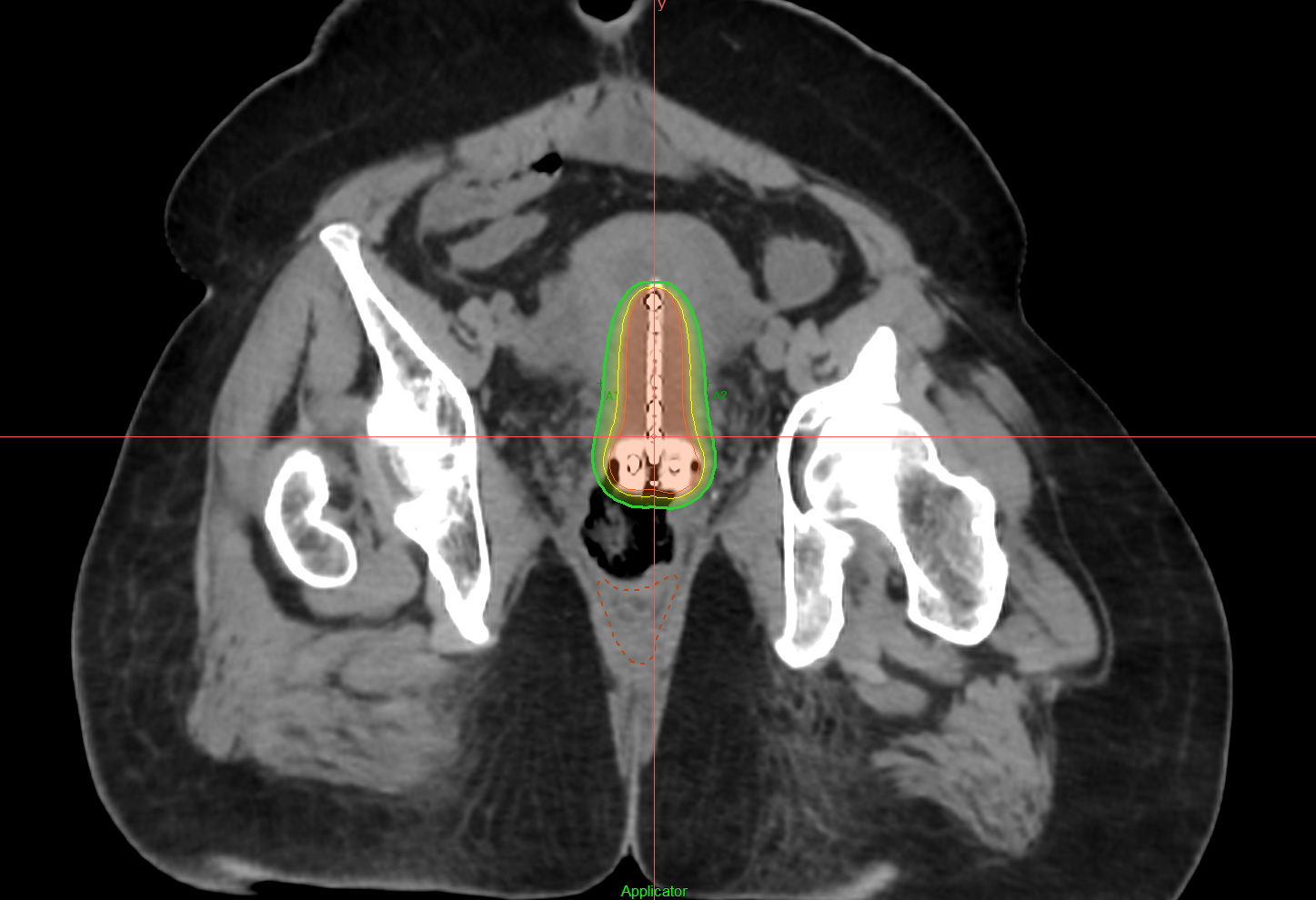
In plain terms, brachytherapy is a type of radiotherapy where the source of radiation is put inside the body, either directly into the tumour or very near to it, instead of being directed from an external machine. It is often used to treat cervical, prostate, breast and skin cancers, and can be used for tumors in several other parts of the body.
The radiation is delivered from inside, giving it the ability to hit the cancer with a degree of accuracy hard to get with external techniques alone.
How Does Brachytherapy Actually Work?
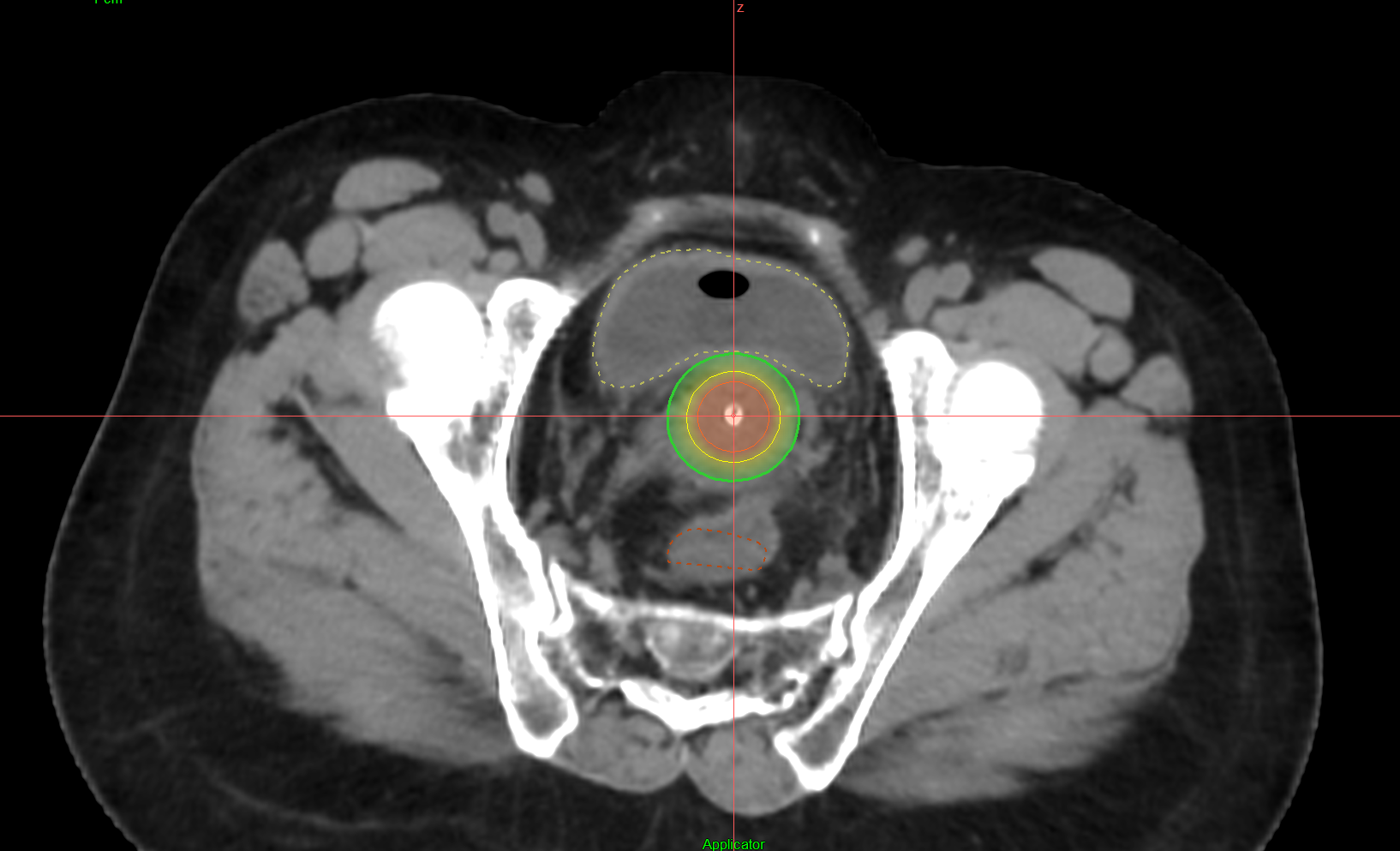
Brachytherapy involves placing a small radiation source, called an implant, inside the body, in or very close to the tumour. By bringing it this close, the treatment can focus on as few healthy cells as possible, while still delivering a strong and effective dose of treatment to the cancer.
One of the biggest benefits of this approach is that it allows doctors to deliver a much higher dose of radiation to a much smaller and more localized area than with traditional external beam radiation therapy. At the same time, the dose can be controlled with great precision, minimizing exposure to surrounding healthy tissue.
How does this help patients?
Why would a doctor suggest brachytherapy over another option? Patients often ask this. What makes it different is this:
Higher accuracy, lower risk: The radiation is targeted from within the body to ensure actual precision in the direction of the tumour, which diminishes the risk of side effects.
Minimally invasive: Typically does not require major surgery.
Ambulatory-friendly: In many cases patients can avoid an overnight hospital stay.
Shorter treatment and recovery: Average treatment time is one to five days, and recovery time is usually two to five days.
Quicker return to normal life: Most patients get back to their normal lives sooner than they think, with much less disruption to their everyday lives.
Thinking about brachytherapy? Consult a Specialist
Every cancer diagnosis is different, and the right treatment depends on several individual factors. If you are wondering if brachytherapy might be a good option for you or a family member, it is helpful to meet with an experienced radiation oncologist in Thane who can walk you through your specific case.
https://www.kimshospitals.com/doctor-profile/dr-sagar-gayakwad/