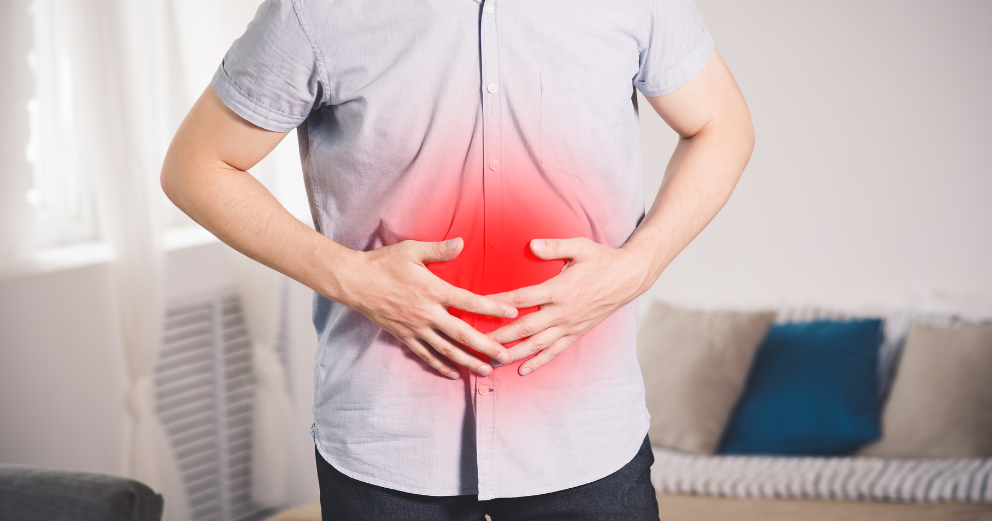
When Is Stomach Pain Serious?
The abdomen is one of the most crowded spaces in the body. The stomach, liver, gallbladder, pancreas, intestines, and kidneys all sit within it. When something goes wrong with any one of them, the result is often the same: pain somewhere in the body that is difficult to place without proper evaluation.
This is what makes stomach pain genuinely hard to read at home. Location, character, timing, and the symptoms that come with it all matter. A pain that felt like indigestion yesterday could, in a different context, be the start of appendicitis. Knowing what to watch for determines what someone does next.
When should you go to emergency department immediately?
Certain types of stomach pain should not be waited out.
- Severe, unrelenting pain, especially when accompanied by fever, vomiting blood, difficulty breathing, or an abdomen that is very tender to touch, requires immediate medical attention.
- Other urgent signs include sudden intense pain that worsens quickly, blood in the stool, or pain that spreads to the chest, neck, or shoulders.
- A stomach that feels rigid or board-like on touch is particularly alarming. It suggests the lining of the abdominal cavity is inflamed, which can happen when an appendix ruptures, an ulcer perforates, or an organ tears. These are surgical emergencies.
- Pain that starts suddenly and at full force, without building up gradually, also needs urgent attention. This pattern can indicate a serious vascular event where time matters enormously.
Serious abdominal pain causes
- Appendicitis
Appendicitis is a condition when the appendix gets inflamed and filled with pus and must be evaluated immediately. If left untreated, the appendix can rupture and cause a serious infection. The pain usually begins near the navel and spreads to the lower right abdomen, with nausea, vomiting, lack of appetite and fever. With appendicitis the pain doesn't come and go. It gets steadily worse over hours. Fever alongside lower right abdominal pain should prompt same day evaluation.
- Gallstone related disease
Gallstones cause sudden, severe pain in the upper right abdomen, often felt in the right shoulder or back as well. The pain typically follows a fatty meal and can last anywhere from 30 minutes to several hours. When a gallstone blocks the bile duct or the gallbladder becomes infected, the situation escalates quickly. Fever alongside upper right abdominal pain at that level signals something beyond a routine gallstone episode and needs urgent care. Symptomatic gall stones are indication for gall bladder removal surgery.
- Perforated ulcer
Stomach ulcers typically cause a gnawing or burning discomfort in the upper abdomen. A perforated ulcer is a different experience entirely. The ulcer has eaten through the wall of the stomach or intestine, and the pain that follows is sudden, severe, and spreads rapidly across the abdomen. This is a surgical emergency.
- Bowel obstruction
When the intestine becomes blocked, the result is cramping abdominal pain, visible distension, vomiting, and an inability to pass gas or stool. A prolonged obstruction without treatment puts the blood supply to the bowel at risk, which significantly worsens outcomes. This needs assessment without delay.
- Pancreatitis
Inflammation of the pancreas causes severe upper abdominal pain that typically radiates straight through to the back. Nausea and vomiting almost always accompany it. Serious stomach pain from conditions like pancreatitis or an abdominal infection requires urgent medical attention. Mild pancreatitis can settle with supportive care, but severe pancreatitis is a critical illness.
Stomach pain warning signs that still need a doctor
Not every concerning stomach pain is an emergency, but certain patterns should prompt a medical consultation rather than continued home management:
- Pain that has not improved after a few days
- Abdominal discomfort accompanied by unexplained weight loss
- Yellowing of the skin or eyes alongside stomach pain, which points to a liver or bile duct problem
- Blood in the vomit or stool, whether visibly red or appearing dark and tarry
- Recurring pain in the same spot, even if each episode feels manageable on its own
- In older adults, new abdominal pain deserves particular attention as cancers of the stomach, pancreas, colon, and ovary become more common with age and can initially present as relatively unremarkable discomfort
Stomach pain that generally settles on its own
Gas, bloating, indigestion after a large meal, mild menstrual cramps, and constipation are all common causes of stomach pain that resolve without medical intervention. What separates these from the more serious causes is that the pain stays mild to moderate, does not worsen progressively, comes without fever or other symptoms, and clears within a reasonable timeframe. When any of those things change, the calculus changes with it.
How stomach pain is evaluated?
When stomach pain does need a medical review, the doctor will ask about where the pain sits, when it started, how it has shifted, and what makes it better or worse. Physical examination involves pressing on the abdomen to identify tenderness, rigidity, or an unusual mass.
Blood tests help in assessing infection, inflammation, and organ function. With the help of ultrasound or a CT scan, you can get a clear picture of your abdominal organs. Endoscopy may be needed when an upper gastrointestinal source is suspected, allowing direct visualisation of the stomach and oesophagus lining.
Takeaways
Get medical help right away if you have serious pain in your stomach with: fever, blood in vomit or stool, a hard stomach pain that spreads to your chest or back. Warning indications that should lead to a medical assessment include persistent stomach pain over a number of days, unexplained weight loss and jaundice.
Most causes of abdominal pain are benign, but since the causes overlap, self-assessment is inconsistent between minor and major causes. When stomach pain does not fit a clear, simple explanation, getting it checked is always the right call.