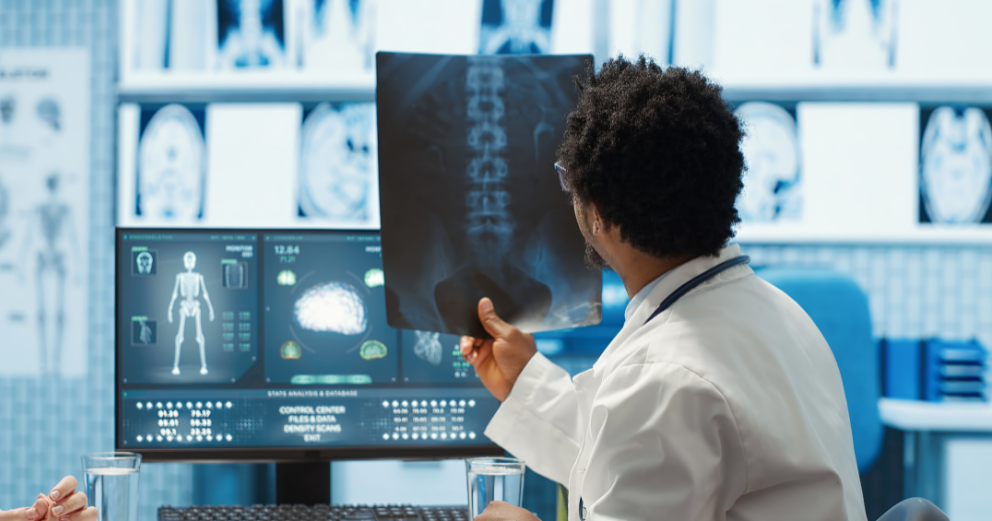
Back pain is one of the most common reasons people seek medical attention. Yet many patients arrive at a spine clinic with MRI scans and X-rays already in hand, convinced that a "disc bulge" or "degenerative change" on the report is the cause of their pain.
As a spine surgeon in Thane, I often explain
that an MRI report is not a diagnosis. In fact, a detailed medical history and
clinical examination can identify the cause of spinal symptoms in most cases
without the need for immediate imaging.
How your pain behaves—does it radiate down the leg, get worse when you move certain ways, or better with rest—gives important indications. A detailed assessment of muscle strength, reflexes, feeling, and posture frequently reveals a lot more than a scan alone. Therefore, you should see a spine specialist before going for investigations.
Unfortunately, MRI scans are being done far too early and more and more. Easy access to imaging centers, fear of missing a serious ailment, and referrals from friends or family sometimes prompt individuals to seek scans before they consult a doctor. This may appear innocent, yet unneeded imaging causes anxiety, confusion and financial stress.
Many MRI findings, such as disc bulges and age-related degeneration, are common even in people who have no back pain at all. Reading these findings without proper medical guidance can make patients believe their spine is severely damaged when, in reality, the changes may be completely unrelated to their symptoms.
Imaging has an important role in modern spine
care, but it should be used for the right reasons. An MRI for back pain is
usually recommended when symptoms persist despite treatment, when there are
warning signs of serious conditions such as infection, fracture, or tumour, or
when surgery is being planned.
The right approach is simple: consult a
qualified spine specialist, undergo a thorough evaluation, and use
investigations only when clinically indicated. A scan should confirm a
diagnosis—not create one.
Your spine tells its story through your symptoms, lifestyle, work habits, and physical examination. Listening to that story remains the foundation of effective back pain treatment. The MRI machine is a valuable tool, but it should never replace clinical expertise.
If you're experiencing persistent neck pain, back pain, or sciatica, seek expert evaluation first. The most important answers often come from a conversation and examination—not from a report.