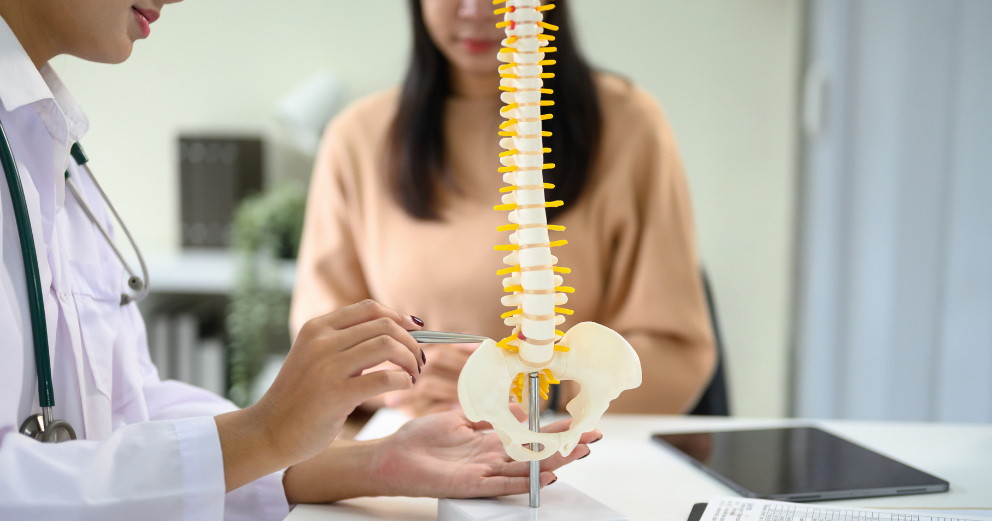
Why Posture Matters for Spine Health
Most people have poor posture and have been told to stop slouching. This advice may fall on deaf ears. But the correct posture is not just for your appearance. The way a person holds their body throughout the day can have an effect on their spine and overall well-being.
Many people spend long hours at desks, hunched over laptops or looking down at their phones. So, problems related to posture are increasing across all age groups. The damage is not overnight, but slowly builds when the problem is ignored. Unfortunately, the pain becomes too much to bear by this time and may also affect your posture and spine health in the long run.
What good posture actually means
Posture refers to the way the body is held during any position. It can be during sitting, standing, walking, or even lying down. Good posture means the body is positioned in such a way that weight is distributed evenly to maintain the S-shape spine.
A good posture protects the three natural curves of the spine without overstretching or straining muscles and ligaments. The spine can absorb load well, muscles work in harmony, and joints experience minimal unnecessary stress when these curves are maintained correctly. Poor posture disrupts this delicate balance.
What poor posture does to the spine
The natural curves of the spine become exaggerated or flattened when posture is poor. An uneven pressure on the vertebrae makes a person prone to injury. Some muscles work harder to compensate, which leads to fatigue and stiffness, as they become overworked. They also become weak over time.
Spinal health declines over the years due to poor posture effects.
- Uneven pressure on spinal discs starts when wear and tear increases, so the risk of herniated or bulging discs in the lower back and neck is higher.
- The compressed nerves around the neck and shoulders cause radiating pain, tingling, or numbness in the arms or legs. It happens due to poor posture.
- The delivery of oxygen and nutrients to spinal muscles and tissues is reduced due to constricted blood flow from poor posture. It can lead to chronic stiffness and pain.
- Chronic back and neck pain can limit daily function. The pain starts as occasional discomfort, but then it becomes constant.
- A hunched position compresses the diaphragm and ribcage, limiting oxygen intake and reducing lung capacity. It can reduce concentration and slow digestion.
The role of screens and sedentary habits
Poor posture is almost inevitable for a large portion of the population due to modern lifestyles. Research has found that smartphone use can lead to a stooped posture from an excessive forward curve of the upper spine. It is associated with lumbar lordosis, where the lower back develops an exaggerated arch that pushes the stomach forward.
The spine alignment also suffers from prolonged sitting. The continuous sitting position compresses the discs in the lower back. It may lead to deterioration in posture and cause stiffness, pain, and long-term spinal problems. The issue is sitting in an unsupported position for hours without movement.
How to protect spinal alignment
The good news is that postural habits can be corrected, unlike many other health conditions. It is possible with consistent effort and by making a few practical changes to the lifestyle.
Workstation setup
The chair should support the natural curve of the lower back, and the feet should rest flat on the floor. Keep the screen at eye level to avoid sustained neck flexion. These changes may seem small, but they can reduce the load on the spine.
Regular movement breaks
The spine bears the loads during the sitting position, so it is important to stretch or walk every 30 minutes. It will improve blood circulation and also reduce tension in muscles. The easy way to follow this routine is by setting a timer or using a reminder app.
Core strengthening
The abdomen, back, and pelvis muscles support the spine. These muscles benefit from doing planks, bridges, and pelvic tilts. So, they may reduce the load on the vertebrae. A physiotherapist can recommend a programme suited to individual needs, or for those who already experience back pain.
Screen habits
Holding a phone or tablet at eye level and taking regular breaks from screens reduces the cumulative strain on the cervical spine.
Takeaways
Posture and spine health are connected with each other. The effects of poor posture accumulate quietly over the years before they become painful. Poor posture can affect your spine and cause problems like disc degeneration, nerve compression and improper breathing.
Back pain prevention is possible through simple adjustment, regular movement and following a core-strengthening exercise routine. These options are far more manageable than treating spinal problems. It is always better to consult an orthopaedic specialist or physiotherapist for neck or back pain related to daily habits. They can do a thorough check-up of the spine and suggest the care plan accordingly.