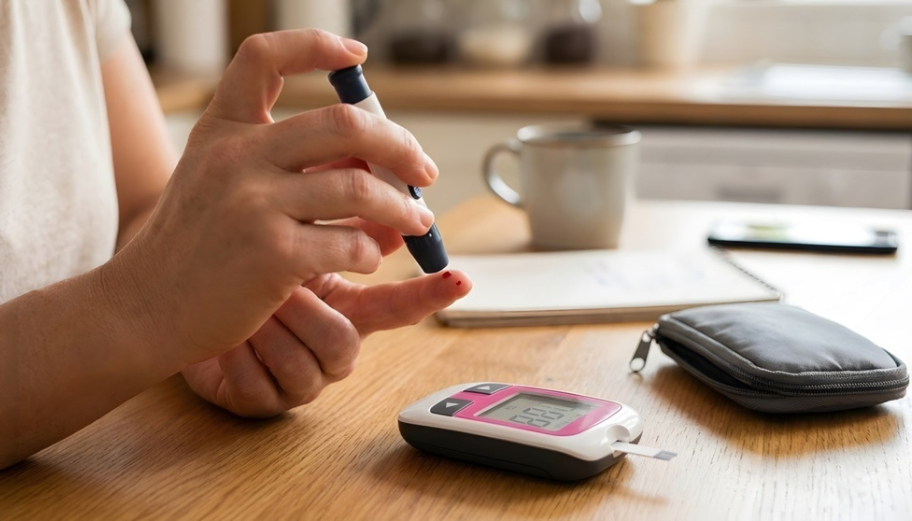
Our Sugar. Your Signals. Your Story.
By Dr. Sukirti Misra, Endocrinologist in Thane
Every body tells a story. As we continue raising awareness about metabolic health this month, "Your Sugar. Your Signals. Your Story." is a reminder that every person's journey with diabetes is different. And yet, millions of people are living with diabetes or prediabetes without even knowing it—often brushing off the early warning signs as stress, aging, or simply a busy lifestyle.
As an endocrinologist in Thane, I spend my days helping patients understand and manage diabetes, thyroid disorders, obesity, PCOS, and other hormonal conditions. One thing I see over and over again is how easily people overlook the subtle signals their bodies are sending them. So many patients tell me they'd noticed increased thirst, frequent urination, unexplained fatigue, or sudden weight changes for months before they finally came in for a check-up. Most had assumed it was work stress, poor sleep, or just "getting older."
What surprises them almost every time is that these small, easy-to-dismiss symptoms can actually be among the earliest signs of diabetes. By the time they come in for evaluation, some already have significantly elevated blood sugar levels—despite feeling generally fine day to day.
Diabetes Doesn't Always Announce Itself
That's part of what makes diabetes tricky. While some people experience excessive thirst, frequent urination, blurred vision, unexplained weight loss, recurrent infections, or persistent fatigue, others may have no noticeable symptoms at all. In fact, a large number of people discover they have diabetes purely by chance during a routine health screening.
Why This Message Matters
Diabetes is one of the few chronic conditions where early detection can genuinely change the long-term outcome. Left undiagnosed or poorly controlled, it can quietly affect the eyes, kidneys, nerves, heart, and blood vessels over time. But with a timely diagnosis, the right treatment plan, lifestyle changes, and regular monitoring, most people go on to live healthy, active lives with a much lower risk of complications down the road.
Prediabetes deserves a special mention here, because it's a stage that often goes completely unnoticed. Blood sugar levels are higher than normal, but not yet in the diabetic range. This window is actually a valuable opportunity—one where weight management, physical activity, healthier eating habits, and regular follow-up can help prevent or significantly delay the onset of full-blown diabetes.
The reassuring part? Diagnosing diabetes is simple. A fasting blood sugar test, an HbA1c test, an oral glucose tolerance test, or even a routine health screening can give you real insight into your metabolic health and help chart the right next steps.
I often meet patients who delayed getting evaluated because they assumed their symptoms were temporary or not worth worrying about. Sometimes that turns out to be true — but more often than not, it's simply better to know than to assume.
Please Don't Ignore These Signals
Excessive thirst
Frequent urination
Unexplained weight loss
Persistent fatigue
Blurred vision
Slow-healing wounds
Recurrent skin or urinary infections
A strong family history of diabetes
Early diagnosis can genuinely be the difference between prevention and progression.
Expert Endocrinology Care at KIMS Hospitals, Thane
At KIMS Hospitals, Thane, our endocrinology and diabetes care team is committed to helping patients understand their risk factors, get an accurate diagnosis, and access a personalised treatment plan built around long-term health—not just short-term symptom relief. Whether it's diabetes, thyroid disorders, PCOS, or other hormonal conditions, our team combines advanced diagnostics with the kind of individualized care that makes a real difference.
If you're experiencing any of the symptoms above, have a family history of diabetes, or simply haven't had your blood sugar checked in a while, it may be time to consult an expert endocrinologist in Thane at KIMS Hospitals. https://www.kimshospitals.com/doctor-profile/dr-sukirti-misra/
This Month, Remember Three Simple Messages
1. Know your numbers. Get your blood sugar checked regularly, especially if you have risk factors like family history, obesity, or a sedentary lifestyle.
2. Recognise the signals. Your body often gives early clues, long before complications set in.
3. Seek help early. Timely intervention with the right diabetes specialist can prevent serious health problems down the line.
Because when you listen to your body's signals at the right time, you can change the story—before complications even begin.