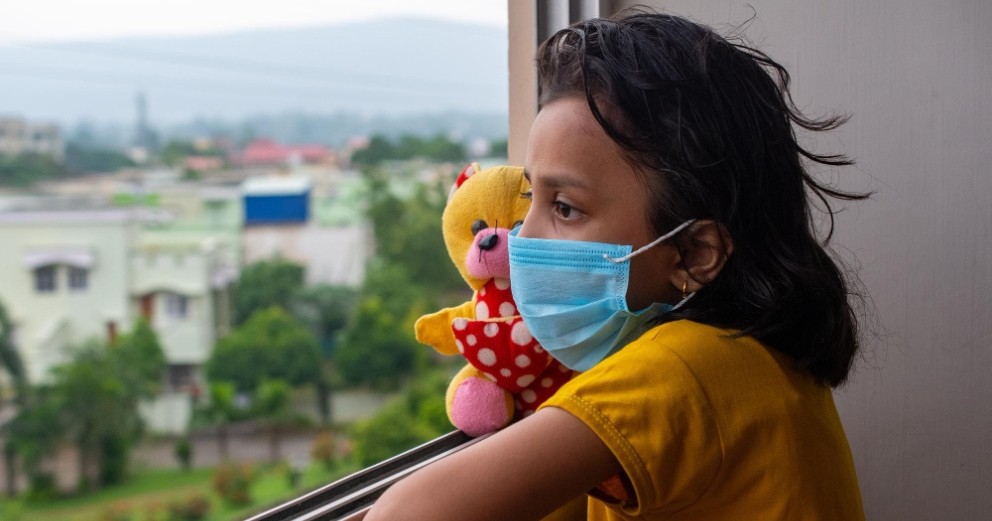
Air Pollution and Children: What Parents Can Do to Protect Their Health
As the New Year begins, many parents are thinking about healthier routines for their families. Clean eating, better sleep, and more outdoor time often top the list. Yet one factor that quietly influences a child’s health every day is often beyond immediate control: the quality of the air they breathe.
Air pollution has become a part of daily life in many cities. While adults may notice irritation or fatigue on high-pollution days, children experience polluted air very differently. Their bodies are still growing, their lungs are still forming, and their immune systems are learning how to respond to the world around them. Because of this, polluted air can have a deeper impact on children, especially during the earliest stages of life.
How Air Pollution Can Start Affecting a Baby Before Birth
It is now widely recognized in public health that exposure to air pollution can begin during pregnancy. Fine airborne particles are small enough to enter the mother's bloodstream when inhaled. From there, these particles may reach the developing baby during critical stages of growth.
The early months of pregnancy are especially important because the baby’s organs and lungs are forming. Breathing polluted air during this time has been linked to low birth weight, premature birth, and early changes in lung development. Not every pregnancy exposed to pollution will have problems, but knowing the risks helps parents take steps to protect their baby.
How does polluted air impact your child?
Children are not simply “small adults.” Their bodies respond differently to environmental stressors, including polluted air. They breathe more frequently than adults, which means they inhale more air relative to their body size. Their airways are narrower, so even mild irritation can make breathing uncomfortable.
Young children spend more time playing outside, which means they are exposed to more pollution when the air quality is bad. Their immune systems are still developing, so it can be harder for them to recover from irritation or infections caused by poor air quality.
Common Breathing Troubles to Watch For
Poor air quality is commonly associated with coughing, wheezing, throat irritation, and breathing discomfort in children. Some children may experience frequent colds or chest infections during periods of high pollution. For those already prone to allergies or asthma-like symptoms, polluted air can worsen day-to-day breathing.
Children born with existing heart or lung conditions may find it harder to cope with poor air quality, as their bodies already work harder to deliver oxygen efficiently. In such cases, polluted air can add unnecessary strain.
Why Newborns Require Extra Care?
Newborns and infants are especially vulnerable. Their lungs are still developing, and their breathing patterns are shallow and rapid. Much of an infant’s day is spent indoors, where air quality can be affected by cooking fumes, dust, smoke, and poor ventilation.
Unlike older children, infants cannot clearly express discomfort. Signs such as unusual restlessness, feeding difficulties, persistent coughing, or fast breathing may be subtle. This makes prevention especially important during the first year of life.
Long-Term Effects: Why Early Protection Matters?
The effects of air pollution don’t always show up right away. For some children, being exposed to pollution over time can affect how strong their lungs become as they grow. They might slowly develop less energy for physical activity or get sick more often.
For this reason, many parents are now focusing on reducing exposure early in life, rather than waiting for health issues to surface later.
Easy Everyday Tips to Protect Your Child
While families cannot control outdoor air quality, they can reduce exposure in meaningful ways:
- Monitor daily air quality. Check reliable AQI updates. On poor-air days, limit outdoor play and avoid unnecessary travel with infants.
- Improve indoor air. Keep windows closed during high-pollution hours. Use air purifiers if available. Avoid burning incense, candles, or using strong fragrances indoors.
- Choose outdoor timing carefully. Pollution levels are often higher early in the morning and evening. Short outings during midday may be safer.
- Reduce pollution brought indoors. Change clothes after returning home and gently clean exposed skin, especially for young children.
- Support overall resilience. Breastfeeding supports infant immunity. For older children, a balanced diet rich in fruits and vegetables, along with adequate fluids, helps the body cope better with environmental stress.
Kick Off the New Year With Healthier Air Habits
Air pollution is a reality many families live with, but fear is not the answer. Awareness, routine precautions, and small daily choices can make a meaningful difference.
As parents step into the New Year, focusing on what can be controlled—cleaner indoor spaces, thoughtful routines, and early attention to symptoms—helps protect children during their most vulnerable years. These steady, practical steps support healthier breathing today and stronger foundations for the years ahead.