Best Health Practices to Prevent Kidney Diseases
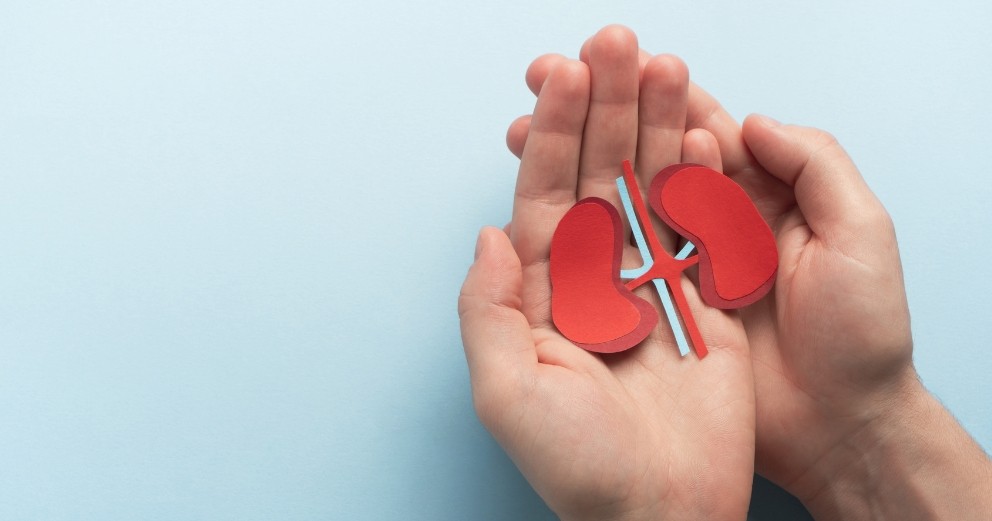
Your kidneys are vital organs that need proper care and attention. These bean-shaped organs work nonstop to filter blood, produce essential hormones, and regulate blood pressure. Most people don't think about their kidneys' health until something goes wrong. Simple daily choices can make a big difference in your kidneys' health. Regular check-ups help catch problems early before they become serious. This article explains to you effective ways to protect your kidneys.
Essential lifestyle habits to keep kidneys healthy
Sleep: Quality sleep is the key to kidney health protection. Research shows that if you have less than 5 hours of sleep each night, you face a higher risk of hypertension, diabetes and cardiovascular disease. Poor sleep duration also relates to a faster decline in kidney function.
Hydration: Water intake is important for kidney care. Around 2 l of water can be taken daily based on thirst and weather conditions
Diet: A kidney-friendly diet consists of fruits, vegetables, whole grains, and proteins
Exercise: Regular physical activity is a vital part of preserving kidney health. Exercise improves heart function, blood pressure management, and muscle strength. Weight management protects kidney function effectively. These lifestyle changes are a great way to get lasting kidney health protection throughout life.
What to Avoid for Better Kidney Health
Your kidneys stay healthy through good habits and by avoiding harmful substances.
Many people don't realise that painkillers can damage their kidneys. Common over-the-counter NSAIDs like ibuprofen, aceclofenac and naproxen can harm kidney function, particularly with extended use. These medications restrict blood flow to the kidneys and might cause lasting damage. People with kidney problems can take paracetamol safely for pain.
Too much salt is not good for the kidneys. High sodium in your diet increases blood pressure and stresses the kidney blood vessels. Your daily sodium intake should stay below 3 gm - roughly one teaspoon. Studies show that cutting daily salt consumption from 10g to 5g reduces protein leakage in urine.
Smoking poses serious risks to kidney health. It damages blood vessels, increases blood pressure, and reduces kidney blood flow. The good news is that quitting smoking starts improving kidney health in just weeks.
Medical Care and Monitoring for Kidney Disease Prevention
Medical check-ups help in detecting kidney problems at an early stage. People with diabetes, high blood pressure or a family history of kidney failure need annual screening.
Your kidney health shows up in two important tests:
- Blood tests for serum creatinine to calculate glomerular filtration rate (eGFR) to show
How well your kidneys filter waste.
- Urine albumin-creatinine ratio (uACR) finds protein leakage that signals early damage
Blood pressure readings play a vital role because two consecutive measurements above 140/90 mm Hg point to hypertension that needs treatment. Patients with chronic kidney disease should keep their blood pressure below 130/80 mm Hg. Your doctor may prescribe ACE inhibitors or ARBs to protect your kidney function and manage blood pressure.
Diabetic patients can prevent kidney disease from getting worse by maintaining their haemoglobin A1c (below 7%).
You should call your doctors right away if you notice:
- More frequent urination
- Foamy or bloody urine
- Swelling in your hands, feet or ankles
- Extreme fatigue
- Muscle cramps
Conclusion
Your kidneys need consistent care, not just occasional attention. These important organs quietly filter waste, regulate your blood pressure, and produce important hormones. To keep your kidneys healthy, eat a balanced diet with lots of fruits and vegetables and stay hydrated. Your body benefits from regular exercise that helps maintain optimal blood pressure levels and supports kidney function.
Better kidney health becomes achievable when you break it into simple steps. Small changes protect your kidneys - cut back on salt, stay hydrated, and keep a healthy weight. Quality sleep, brief daytime naps, and an active lifestyle contribute substantially to keeping your kidneys healthy. These habits don't just shield your kidneys they boost your body’s overall health