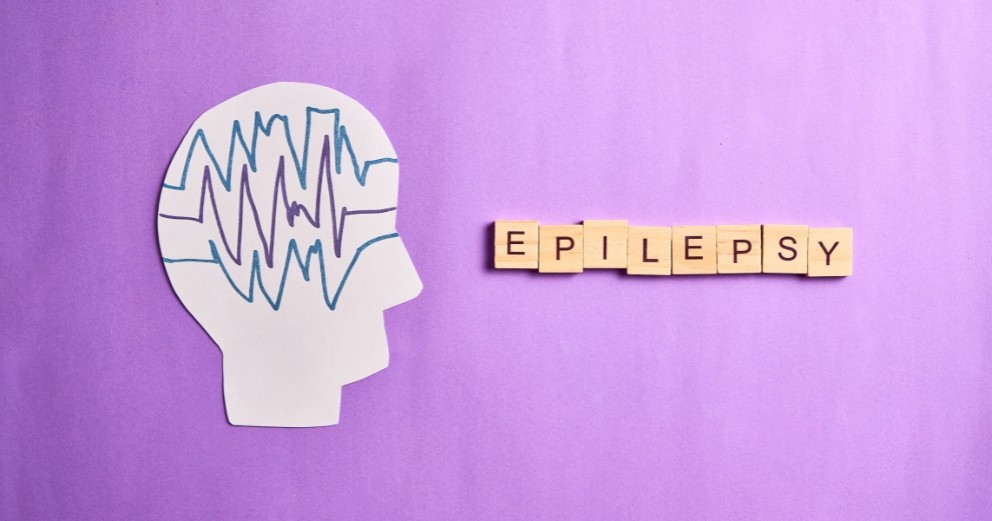
Epilepsy
Millions of people live with epilepsy, making it the fourth most common neurological disease after migraine, stroke and Alzheimer's. Doctors describe epilepsy as an abnormal electrical brain activity. This neurological disorder affects people of all races, ethnic backgrounds, and ages regardless of gender.
Many people wonder about living with this condition and why these electrical disruptions happen in the brain. This article explains everything from simple definitions to treatment options. You'll find clear information that helps demystify this common yet often misunderstood neurological condition.
What Is Epilepsy
The brain sends electrical signals in organised patterns. These patterns become chaotic during an epileptic seizure. Epilepsy is a chronic neurological disorder that causes recurrent, unprovoked seizures. A single seizure doesn't necessarily mean epilepsy. Doctors diagnose epilepsy when a person has two or more unprovoked seizures.
Epilepsy Types
Seizures belong to two main categories:
- Focal seizures originate in one specific brain area. These seizures can be:
- Aware seizures (formerly called simple partial seizures) where consciousness stays intact.
- Impaired awareness seizures (formerly called complex partial seizures) where consciousness becomes affected.
- Generalised seizures affect both sides of the brain at once. These include:
- Absence seizures cause brief lapses of consciousness.
- Tonic-clonic seizures result in muscle stiffness and jerking.
- Myoclonic seizures cause sudden brief jerks of muscles.
- Atonic seizures result in an abrupt drop in muscle strength causing people to fall.
- Tonic seizures cause muscle stiffening without jerking.
Symptoms of Epilepsy
Each seizure type shows different symptoms. These include:
- Temporary confusion or awareness loss
- Staring spells or "absence" episodes
- Uncontrolled jerking or muscle movements
- Unusual sensations including strange smells, tastes, or tingling
- Emotional changes like fear, anxiety or déjà vu.
Causes
Doctors cannot identify the cause in almost half of epilepsy cases. Any disruption to normal brain cell activity can trigger seizures, whether from illness or developmental issues. The known causes include:
- Genetic factors (30-40% of cases)
- Brain injuries or trauma
- Infections (meningitis, encephalitis)
- Developmental disorders
- Stroke or brain tumours
- Prenatal injuries
Diagnosis
A patient's two or more seizures that other medical conditions didn't cause lead doctors to think of epilepsy. Doctors follow multiple steps to diagnose epilepsy:
- Medical history: A doctor's detailed questions reveal what happened before, during, and after the seizure.
- Tests:
- Brain electrical activity shows up on an electroencephalogram (EEG)
- MRI scans reveal brain structure.
- Blood tests help eliminate other conditions.
- Specialised SPECT or PET scans to show exactly where seizures start.
Epilepsy Treatment
Anti-seizure medications successfully control seizures in the majority of epilepsy patients. Patients who don't respond to drugs have other options:
- Diet therapy: Children respond especially well to seizure reduction through the ketogenic diet or modified Atkins diet.
- Surgery: Doctors can surgically remove problematic tissue when medications fail and seizures come from a specific brain area.
- Devices: Seizures decrease when electrical impulses target specific parts of the nervous system through vagus nerve stimulation, deep brain stimulation, or responsive neurostimulation.
Music therapy offers additional benefits to some patients. The right treatment emerges after trying different options with specialist guidance at an epilepsy centre.
Conclusion
Modern medicine helps many people manage seizures effectively even though living with epilepsy definitely brings unique challenges. Epilepsy shows up differently in each person. Some people experience focal seizures that affect one brain area while others deal with generalised seizures that affect both sides at the same time. A person's symptoms can range from brief confusion to uncontrolled muscle movements, based on their seizure type.
Epilepsy's challenges don't define a person's life. Many people lead full, active lives while managing this condition. Support networks, proper medical care, and better public awareness help break down stigma and build understanding. People worried about seizures should talk to their doctors who can suggest appropriate tests and create personalised treatment plans.