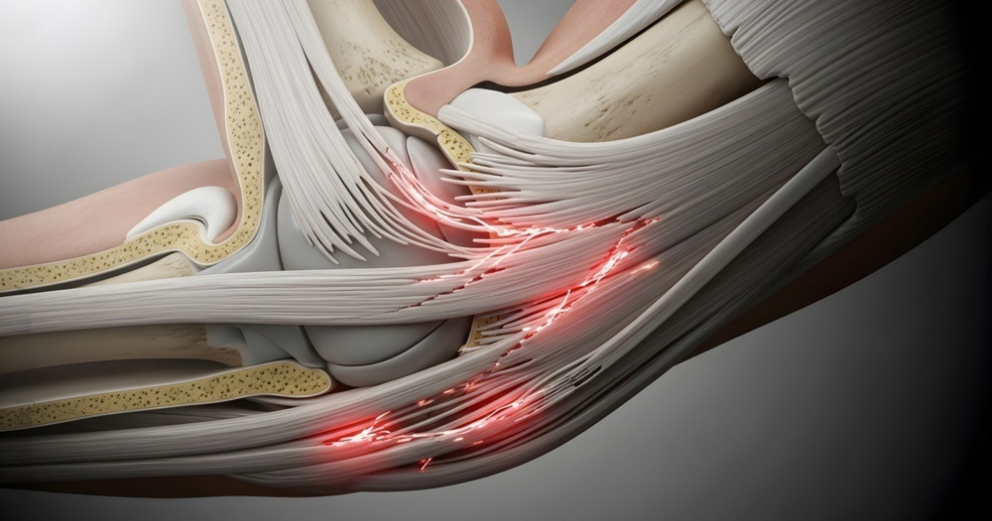
Fueling Recovery: Nutrition and Metabolic Health for Tendon Healing.
By Dr. Mrinal Prakash https://www.kimshospitals.com/doctor-profile/dr-mrinal-prakash-1/
If you've ever dealt with a tendon injury, you already know the frustrating part — it just doesn't heal on its own timeline the way a bruise or a pulled muscle does. In my clinic, I see this confusion play out often: patients diligently show up for physiotherapy, follow every exercise instruction, and still feel like recovery is crawling. What most of them haven't considered is that healing isn't only about rehab exercises — it's also about what's happening on their plate and in their bloodstream.
Why Tendons Take Their Time
Tendons are mostly collagen — a tough, fibrous protein that gives them the strength to withstand load without snapping. The problem is that tendon tissue doesn't get nearly as much blood flow as muscle does. And since blood is essentially the delivery truck for everything your body needs to rebuild — amino acids, vitamins, minerals — a poorly supplied tissue simply can't repair itself as fast. That's why tendon recovery often stretches across weeks or even months, depending on how severe the injury is.
Protein and Collagen: The Raw Materials
Protein intake: I usually tell patients to think of protein as bricks for a construction site — you need a steady supply, not one giant delivery. Spreading protein across your meals (rather than loading it all into dinner) keeps the amino acid pool available for collagen synthesis throughout the day.
Collagen peptides: Some studies suggest that collagen supplements, paired with vitamin C and taken about 30–60 minutes before light loading exercises, may give tendon collagen production a nudge. It's a promising area, but still evolving — so please discuss this with your treating doctor before adding it to your routine.
Vitamin C: This one's non-negotiable for collagen cross-linking — it's what holds the structure together. Good sources include citrus fruits, amla, guava, and bell peppers, all of which are easy to work into an Indian diet.
It's Not Just Protein — Your Metabolism Matters Too
Healing isn't just a protein math problem. The metabolic environment your body is in plays an equally important role.
Blood sugar control: This is one I can't stress enough. Poorly controlled diabetes is strongly linked to slower tendon healing and a higher chance of re-injury. If you're managing diabetes, keeping your blood sugar in check during recovery is one of the most impactful things you can do.
Inflammation balance: A diet heavy in processed foods tends to keep the body in a low-grade inflammatory state, which can quietly slow healing. Omega-3 fatty acids — found in fish, walnuts, and flaxseed — can help balance those inflammatory pathways without shutting down the healing response your body actually needs.
Vitamin D and calcium: These aren't just for bone health. They're also important for the tendon-bone junction, which matters a great deal if you've had tendon repair surgery.
Practical Tips I Give My Patients
Have a protein source at every meal — dal, eggs, paneer, fish, or lean meat all work well.
Don't skip fruits and vegetables — they carry the micronutrients your body needs for collagen synthesis.
Stay well hydrated. Tendon tissue itself holds a surprising amount of water.
If you're diabetic, keep your blood sugar tightly controlled through the recovery period.
Resist the urge to crash diet after surgery or injury. Healing needs adequate calories, not restriction.
The Bottom Line
Nutrition won't replace proper rehabilitation — but it does create the metabolic conditions your tendons need to repair themselves efficiently. In my experience, patients who pay attention to their protein intake, micronutrients, and blood sugar control tend to have steadier, more predictable recovery timelines.
If you're recovering from a tendon injury and want a treatment plan that looks at both rehabilitation and the underlying metabolic picture, it helps to be under the care of a team that treats the whole picture, not just the injury. If you're looking for the best orthopedic hospital in Thane, KIMS Hospitals offers expert orthopedic care backed by advanced surgical infrastructure and a team that understands recovery goes beyond the operating room.