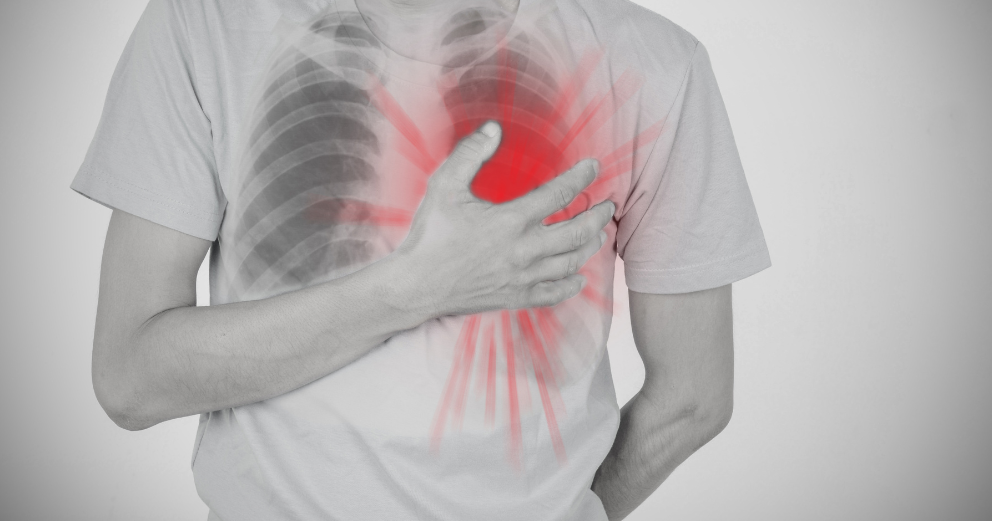
Chest Pain: When Is It a Heart Emergency?
Chest pain is one of the most common reasons people present to emergency departments, and also one of the most anxiety-inducing symptoms a person can experience. The challenge is that chest pain has a wide range of causes, some genuinely life-threatening and others far more benign.
Acidity, muscle strain, anxiety, and even a pulled rib cartilage can all produce chest discomfort that feels alarming in the moment. Knowing which symptoms point to a cardiac emergency and which can wait for a routine consultation is information that could, quite literally, save a life.
How cardiac chest pain typically presents
The chest pain associated with a heart attack has a fairly recognisable profile, though it does not always appear in the textbook manner.
The signs of a heart attack may include uncomfortable pressure, fullness, squeezing sensation or pain in the centre of the chest lasting more than a few minutes, or going away and coming back, as well as pain, numbness, or uncomfortable prickling sensations spreading to the shoulders, neck, jaw, arms, or back.
The sensation is frequently described as a heaviness or tightness rather than a sharp, stabbing pain. Instead of pain, a person could have a sudden crushing sensation or a feeling of severe pressure on the chest.
A heart attack happens when a part of the heart muscle does not get enough blood, and the more time that passes without treatment to restore blood flow, the greater the damage to the heart muscle. This is why speed matters as much as recognition.
Symptoms that make chest pain a cardiac emergency
Certain combinations of symptoms alongside chest discomfort significantly raise the probability of a cardiac event and require immediate emergency care:
- Chest pain or pressure accompanied by shortness of breath, even if the chest discomfort itself seems mild
- Pain that spreads from the chest to the left arm, right arm, jaw, neck, or upper back
- Chest discomfort accompanied by a cold sweat, nausea, or vomiting
- Lightheadedness or sudden dizziness occurring alongside chest symptoms
- Fainting or loss of consciousness
- Chest pain that is severe and sudden, unlike anything experienced before, should not be waited out to see if it improves, as time is critical when dealing with potential heart attacks and delays in treatment can result in permanent heart damage
Chest pain, pressure or tightness accompanied by lightheadedness, fainting, sweating, nausea, or shortness of breath should always be taken seriously, and anyone who thinks they are having a medical emergency should not hesitate to seek emergency care.
How women experience cardiac chest pain differently
Women are more likely than men to present with atypical symptoms that do not fit the classic picture of a heart attack. Women may experience pain in the upper back, jaw, or stomach, along with unusual fatigue, and these atypical presentations can make heart attacks in women more difficult to recognise and diagnose.
Extreme, unexplained fatigue in the days or weeks before a cardiac event is a symptom that women report more frequently than men. Nausea and indigestion-like discomfort without prominent chest pain can also be the primary presentation.
Since these symptoms overlap with so many common, non-cardiac conditions, they are frequently dismissed or attributed to something else, which contributes to delays in seeking care.
Chest pain that is less likely to be cardiac
Not all chest pain is a cardiac emergency. Pain that is sharp and localised to a specific spot, that worsens when pressing on the chest wall, or that is clearly related to breathing or posture is more likely to have a musculoskeletal or respiratory cause.
- Acid reflux can produce a burning sensation behind the sternum that mimics cardiac discomfort, often made worse by lying down or eating.
- Anxiety and panic attacks can cause chest tightness, palpitations, and shortness of breath that closely resemble heart attack warning signs.
- Chest pain experienced during exercise that consistently improves with rest is a sign of a clogged heart artery and does not necessarily require emergency care, but it does require prompt medical attention, as coronary artery disease needs treatment to prevent it from causing a heart attack.
The difficulty is that even experienced clinicians cannot always distinguish cardiac from non-cardiac chest pain based on symptoms alone. Investigations including an ECG, blood tests for cardiac enzymes and imaging are often needed to confirm the cause.
When To Go To Emergency For Chest Pain?
Minutes matter when it comes to a heart attack, and fast action can save lives. Calling emergency services is almost always the fastest way to get lifesaving treatment, as an emergency medical services team can begin treatment when they arrive and are trained to give resuscitation efforts to someone whose heart has stopped.
During a heart attack, the heart muscle starts to die and irreversible damage begins within 30 minutes after the muscle loses oxygen. A person should never drive themselves to the emergency room as they may lose consciousness while driving.
If there is any doubt about whether chest pain is cardiac, seek emergency care immediately.
Takeaways
Chest pain heart emergency situations are defined by the combination of symptoms rather than the severity of chest pain alone. Warning indications of a heart attack include chest pressure or tightness that lasts more than a few minutes, discomfort that spreads to the arm, jaw or back, shortness of breath, cold sweats, nausea and sudden disorientation. Women may present with atypical cardiac chest pain symptoms such extreme exhaustion, jaw pain, and nausea with little to no chest ache. If you are ever in doubt about chest pain and if it is an emergency, get medical help right once.