Poor Circulation Signs You Shouldn't Ignore
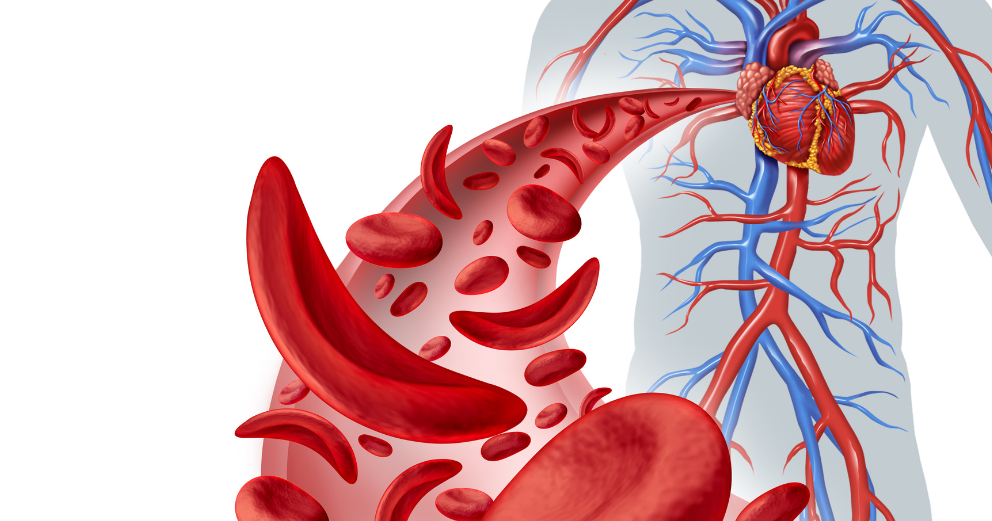
The circulatory system is the body's delivery network. Blood carries oxygen and nutrients to every tissue and organ and removes waste products. When that flow is compromised, the body does not stay silent about it. Blood delivers oxygen and other important nutrients to the rest of the body and carries away waste, so anything that interferes with blood flow will impair this function. Because the body tries to make sure blood flow to vital organs is not affected, symptoms of poor circulation are usually first noted in the extremities.
The legs and feet are where poor circulation signs tend to appear earliest and most clearly. They are furthest from the heart, most dependent on strong arterial flow, and most affected when that flow is restricted or impeded. Recognising these signs early and acting on them can prevent a manageable problem from becoming a serious one.
Leg Pain or Cramping During Activity
One of the most common warning signs is leg pain or cramping when walking, climbing stairs, or exercising. This discomfort often shows up in the calves, thighs, hips, or buttocks and may improve when you rest. That pattern matters. Pain that appears with activity and eases with rest can be a sign that leg muscles are not getting enough oxygen-rich blood.
This symptom is called claudication, a hallmark feature of peripheral artery disease, a condition in which the arteries supplying the legs are narrowed by plaque. Pain in the legs, particularly while walking or during physical activity, can be a sign of peripheral artery disease. Many people attribute this kind of leg pain to age or fitness levels and do not seek evaluation until the symptom is significantly limiting their daily movement. By that point, the underlying arterial disease is often considerably advanced.
Cold or Discoloured Extremities
Persistently cold hands or feet, particularly when one limb is noticeably colder than the other, point toward reduced arterial blood flow to the extremities. If vessels are narrowed, less blood reaches the extremities, and the skin may turn pale, bluish, or purple. Legs may also look red, shiny, or tight.
Colour changes in the toes, including bluish or purplish discolouration at rest or sudden pallor on elevating the leg, are significant clinical signs. When to seek vascular specialist is a common question. So, if anyone notices constant colour changes or abnormal coldness in one limb compared to the other, they should seek vascular assessment.
Numbness and Tingling
Restricted blood flow shows up as constant numbness, tingling or a pins-and-needles-like sensation. Poor blood flow means that the nerves are not receiving enough oxygen and nutrients. It is a distress signal from nerves. Any recurring tingling or one that lasts longer than a few minutes should not be ignored.
This symptom is not the same as the temporary numbness that comes after sitting in an awkward position for a long time. Medical assessment is necessary if tingling or numbness occurs in the legs or feet at rest or is accompanied by other symptoms of poor circulation.
Swelling and Visible Vein Changes
Fluid buildup and visibly enlarged veins often reflect poor circulation. When one-way valves in the leg veins weaken, blood pools, causing swelling and bulging varicose veins. Any new swelling or pronounced veins should be evaluated, as pooled blood can cause ulcers or clots.
Swelling in the lower legs and ankles may get worse throughout the day but improves when the legs are elevated, which is a sign of venous insufficiency. Deep vein thrombosis requires urgent medical care if there is swelling accompanied by warmth, redness and pain in the calf.
Slow-healing Wounds
A wound on the foot or lower leg that is not healing within the expected timeframe is a significant warning sign, particularly in people with diabetes or known vascular disease. Wound healing requires adequate blood flow. When circulation is compromised, the supply of oxygen and nutrients needed to repair damaged tissue is insufficient, and wounds that would normally heal within days or weeks can persist for months.
Ulcers around the ankles, feet, and toes are common when poor circulation goes unnoticed. Slow-healing wounds, skin discolouration, and unexplained swelling need evaluation by a specialist. It is particularly important in people with diabetes, high blood pressure, or a history of vascular disease.
Skin and Nail Changes
Shiny, tight, or discoloured skin on the lower legs, hair loss on the affected limb, and thickened or brittle toenails are all signs of reduced arterial blood supply to the tissues. These changes reflect the skin and its appendages being chronically undernourished by inadequate blood flow.
Symptoms that Require Immediate Attention
Certain symptoms associated with poor circulation warrant a same-day emergency evaluation:
- Sudden severe leg pain accompanied by pallor, coldness, and loss of pulse in the limb may indicate acute arterial occlusion
- Chest pain or shortness of breath, along with leg symptoms, may indicate a pulmonary embolism
- Sudden onset of weakness or numbness in an arm or leg, along with facial drooping or speech difficulty, may indicate a stroke
Who Carries Higher Risk
Several conditions and lifestyle factors significantly increase the risk of circulation problems:
- Diabetes, which damages blood vessel walls and impairs nerve sensation, masks symptoms until the disease is advanced
- High blood pressure and high cholesterol accelerate atherosclerosis
- Smoking is the single most powerful modifiable risk factor for peripheral artery disease
- Obesity and physical inactivity
- A family history of vascular or cardiovascular disease
Takeaways
Poor circulation signs, including leg pain during activity, cold or discoloured extremities, persistent numbness, unexplained swelling, and slow-healing wounds, all warrant medical evaluation rather than watchful waiting. Peripheral artery disease symptoms, in particular, are frequently dismissed for months before a diagnosis is made, by which point the disease has often progressed significantly. Circulation problems legs respond best to early intervention, whether through lifestyle modification, medical management, or vascular procedures. Anyone with these symptoms, particularly those with diabetes, hypertension, or a history of smoking, should seek assessment from a vascular specialist.