Snoring vs Sleep Apnea: What Is the Difference?
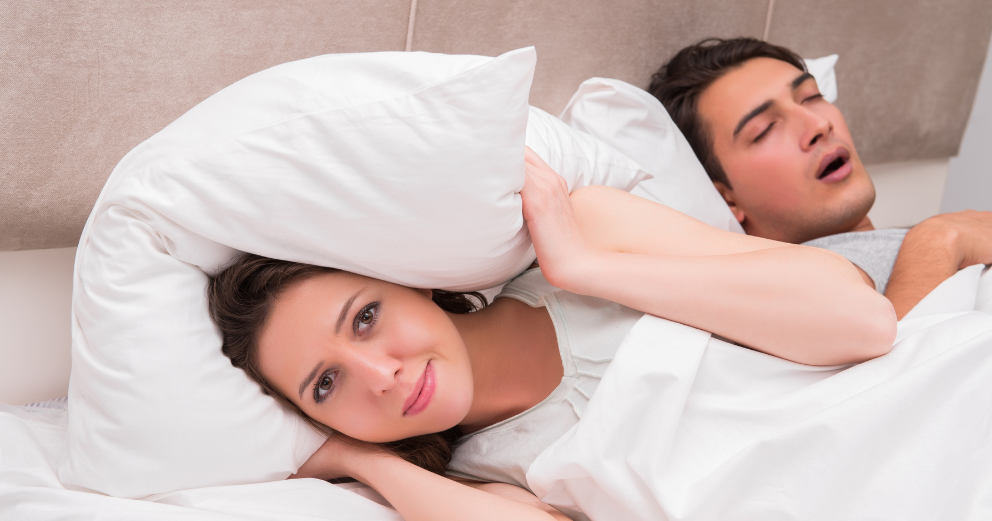
Most people who snore have been told about it by someone else. A partner who cannot sleep, a family member who heard them from the next room. Snoring tends to be treated as a minor inconvenience, something to joke about rather than investigate. But there are situations where snoring is not harmless at all. It can be the most visible sign of a condition called obstructive sleep apnea, a disorder that carries serious long-term health consequences if left untreated.
Understanding the difference between snoring vs sleep apnea is extremely useful. They are related, but not the same, and the implications for health could not be more different.
What causes snoring?
Snoring occurs when airflow through the nose and mouth is partially obstructed during sleep, causing the soft tissues of the throat to vibrate. That vibration is the sound. It can be occasional and mild, triggered by sleeping position, alcohol, nasal congestion from a cold, or allergy season. In these cases, it tends to come and go and does not represent an ongoing problem.
Nasal congestion, deviated septum, excess tissue at the back of the throat, sleeping on the back, pre-sleep alcohol use, and being overweight are common causes of snoring. The solutions to these factors are expected to lessen or eradicate simple snoring without any other interventions.
What sleep apnea actually is
Sleep apnea is a sleep disorder where breathing repeatedly stops and starts throughout the night. Obstructive sleep apnea is the most widespread in which the airway is blocked, typically, by relaxed throat muscles or excess tissue. Breathing pauses may last 10-30 seconds or more and occur dozens or even hundreds of times a night, disrupting deep sleep and reducing oxygen levels.
Breathing ceases or slows for more than 10 seconds at different stages of sleep in obstructive sleep apnea. This leads to decreased blood oxygen levels, intermittent and incomplete awakening, disjointed sleep and excessive daytime sleepiness.
The person may not be conscious of waking up at all. They simply find themselves exhausted the next day, no matter how many hours they spend in bed.
Obstructive sleep apnea symptoms to watch for
Snoring alone is not enough to diagnose sleep apnea. The obstructive sleep apnea symptoms that make it stand out as a complication of snoring include:
- Snoring that is loud and continuous, not occasional
- Observed pauses in breathing during sleep, often noticed by a partner
- Breathing halts, then gasping, choking, or snorting as breathing resumes
- Waking up with a dry throat or mouth
- Problems with concentration, forgetfulness, or irritability
- Frequently waking up at night without a definite cause
Some people who snore may have sleep apnea without knowing it because the nighttime disturbances and daytime fatigue are subtle. This is why it is not excluded by the lack of dramatic nighttime symptoms. An individual may experience severe sleep apnea with comparatively mild daytime side effects.
Why sleep apnea is more serious than snoring
Simple snoring, on its own, does not deprive the body of oxygen. Sleep apnea does this repeatedly throughout every night. Over time, that has serious consequences.
Untreated sleep apnea does not just cause fatigue. It can increase the risk of heart disease, high blood pressure, diabetes, and stroke. The cardiovascular system is activated several times as oxygen drops; each time breathing halts, the heart rate and blood pressure increase. This is a huge burden night after night, year after year.
There is also a higher risk of accidents that are linked to sleep apnea. Fragile sleep disrupts reaction time and concentration during the day and is comparable to alcohol intoxication in terms of causing daytime sleepiness.
How sleep apnea is diagnosed
The best way to conduct a sleep apnea diagnosis is a sleep study. Measurement of breathing patterns, oxygen levels, and heart rate during sleep, and the outcomes help ascertain the occurrence of breathing pauses and the severity of the condition.
Sleep tests may be done at a sleep laboratory or more frequently now with a home sleep test, which a patient can do in their own bed. A sleep specialist reviews the results, which can further help in prescribing suitable treatment depending on the severity of the results.
Sleep apnea treatment options
The appropriate sleep apnea treatment is based on the severity of the disorder and its causes.
In mild cases, lifestyle changes can also count. Losing weight, avoiding alcohol before bed, sleeping on the side rather than the back, and treating nasal congestion all reduce the degree of airway obstruction.
A CPAP machine provides a continuous flow of pressurised air through a mask that is placed over the mouth during sleep to maintain the airway clear and avoid breathing breaks. Within days of CPAP initiation, most patients report a significant increase in sleep quality and daytime activity.
In certain cases where structural abnormalities are causing obstructions and if patients are unable to use a CPAP, they should consider surgical interventions.
Takeaways
The key distinction in snoring vs sleep apnea is what happens to breathing. Simple snoring refers to the vibration of the tissues of the throat without any major obstruction of the airways. Obstructive sleep apnea is a recurring, full or partial blockage of breathing that reduces oxygen levels and disrupts sleep during the night.
Symptoms of obstructive sleep apnea, such as observed interruptions in breathing, gasping when asleep, headaches in the morning and excessive daytime drowsiness, should lead to a sleep study instead of self-treatment. Diagnosis and treatment of sleep apnea have a significant effect in reducing the long-term cardiovascular and metabolic risks associated with the disorder.